
Meet Kirsten Howley, the real-life Lawrence Livermore National Laboratory astrophysicist working to prevent “Armageddon,” as UC celebrates the International Day of Women and Girls in Science (Feb. 11).

UC Newsroom |
The 10 biggest (non-COVID!) science stories you might have missed in 2020
During any other year, these groundbreaking advances would have been big news. Here’s some of what you may have missed while you were busy washing your hands.

UC Berkeley |
Jennifer Doudna wins 2020 Nobel Prize in chemistry
Jennifer Doudna, UC Berkeley and UCSF professor and Berkeley Lab faculty scientist, shares the prize with Emmanuelle Charpentier for their discovery of CRISPR-Cas9 as a tool for making targeted changes to the genome.

UC Newsroom |
The ultimate guide to staying safe in the sun
July is UV Safety Awareness Month. Everything you need to know to protect yourself is right here.
UC Newsroom |
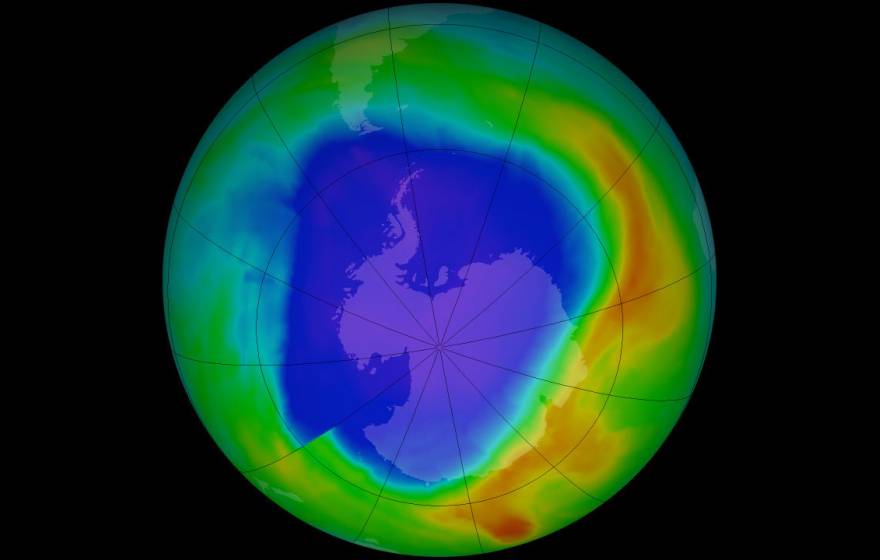
Stopping an environmental disaster before it’s too late
How UC research sounded the alarm on the ozone layer.
UC Newsroom |
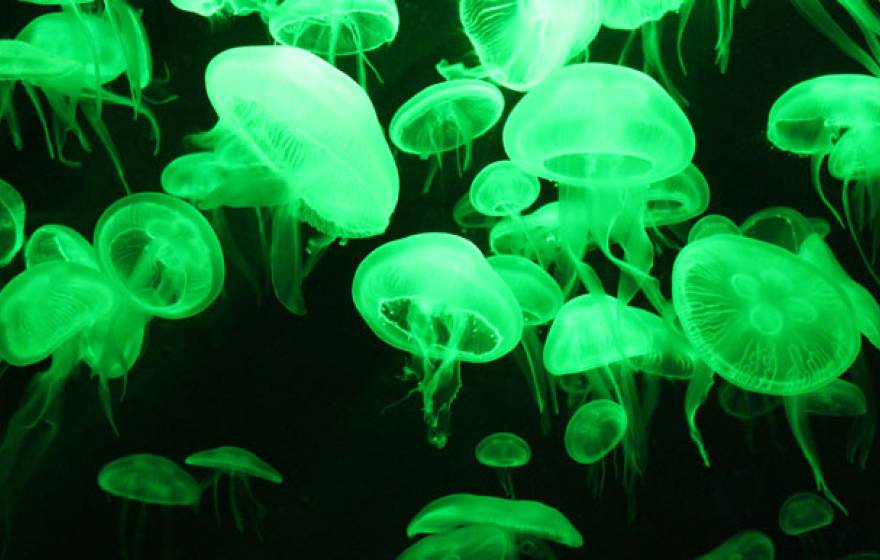
How basic research on jellyfish led to an unexpected scientific revolution
From destined for the drain to winning a Nobel Prize.
UC Newsroom |
UC rising stars make Forbes 30 Under 30 list
Forty with ties to the University of California recognized by the magazine as young leaders in their fields.
UC Davis |
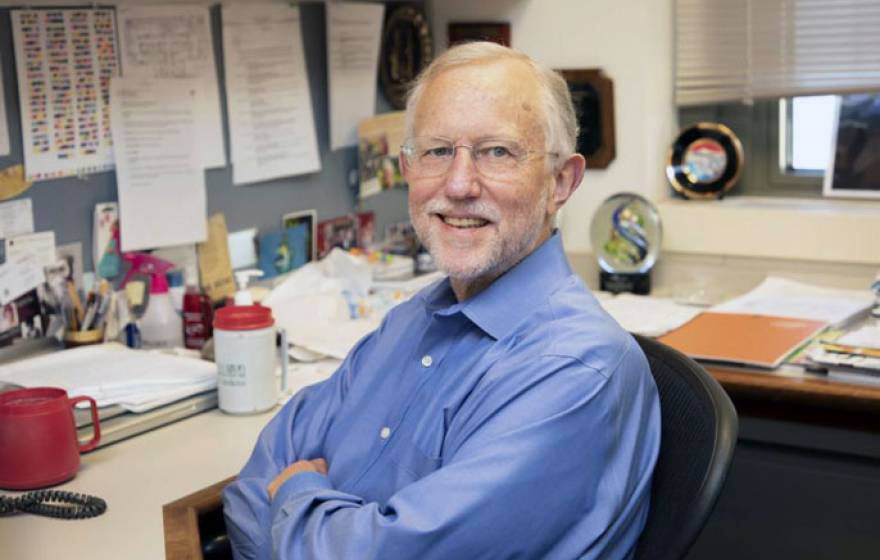
UC Davis alum Charles Rice wins Nobel Prize
Now professor at The Rockefeller University, he shared the 2020 Nobel Prize in physiology or medicine for the discovery of the hepatitis C virus.

UC Newsroom |
Quiz: How much do you know about the Nobel Prize?
Not everyone can win a Nobel, but this is the next best thing. Prizes are announced starting Oct. 5.
UC Riverside |
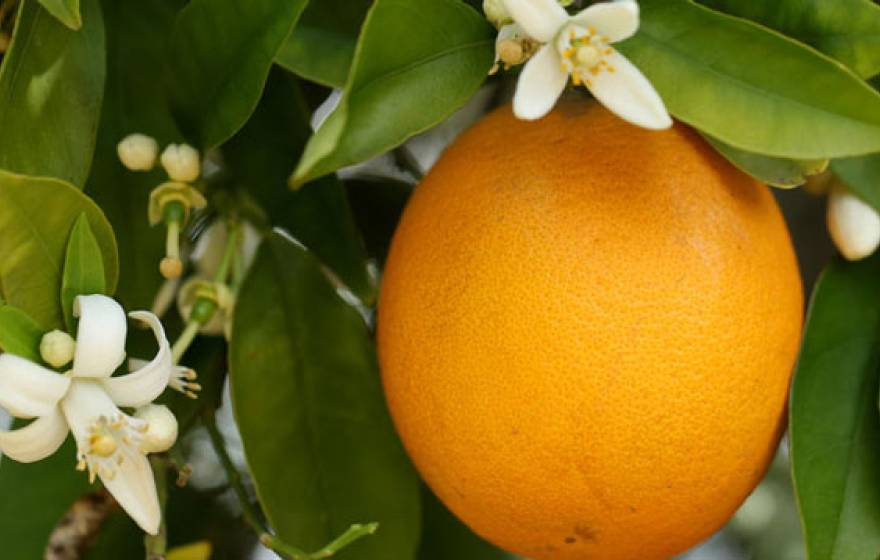
UC Riverside discovers first effective treatment for citrus-destroying disease
The disease that has devastated crops in Florida and threatens California may finally be stoppable.

UC San Diego |
How dogs actually age (and what that tells us about how we do)
Understanding how dogs age can help us fight human aging.

UC Newsroom |
How glow-in-the-dark jellyfish inspired a scientific revolution
What makes a jellyfish glow? For scientists, asking that simple question led to a powerful new tool that’s completely transformed medicine — and won the Nobel!