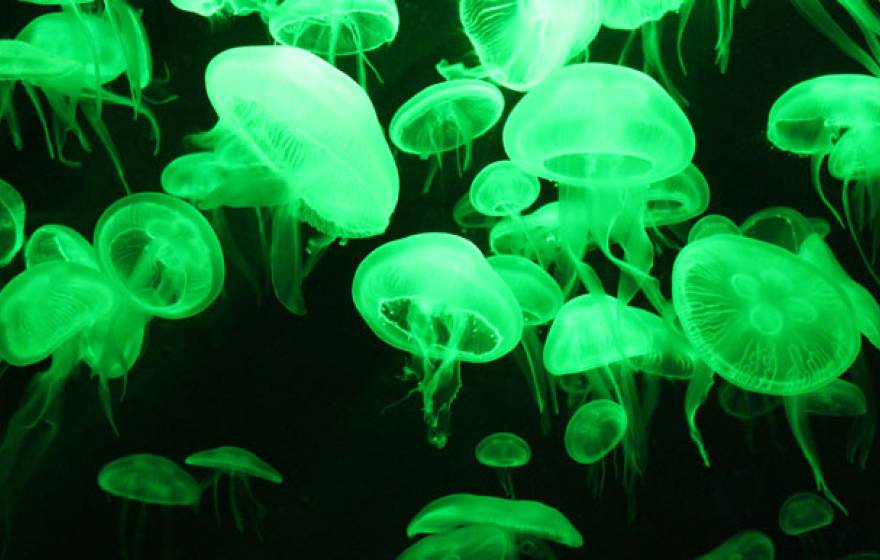
From destined for the drain to winning a Nobel Prize.

UC Santa Cruz |
Could California put solar panels on top of canals?
Scientists at UC Merced and UC Santa Cruz are exploring a potential project to combine renewable energy with water conservation.

UC Santa Cruz and Sonoma State University |
Bringing sea otters back to San Francisco Bay
The California population could triple if otters returned to their historic home — they just need to get past those great white sharks first.
UC Santa Barbara |
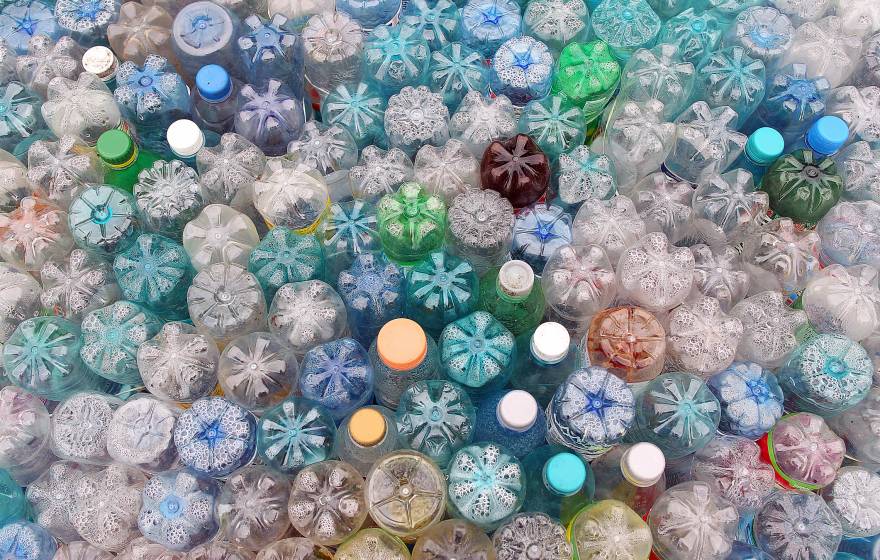
How do we break our addiction to plastic?
More than 8.3 billion metric tons (9.1 billion tons). That’s the amount of plastic humans have created since the large-scale production of synthetic materials began in the early 1950s. It’s enough to cover the entire country of Argentina, and most of the material now resides in landfills or in the natural environment.
UC Newsroom |
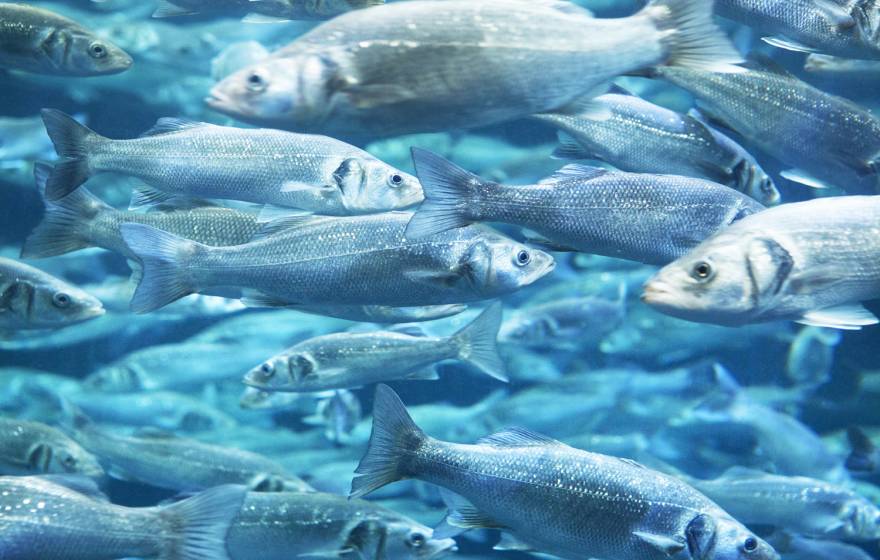
Can farmed fish feed the world sustainably?
The world’s population is expected to soar by an additional 2.5 billion people by 2050, bringing a host of global challenges – including how to feed so many hungry mouths.

UC Santa Barbara |
8.3 billion metric tons of plastic ... and counting
How did we create more tons of plastic than there are people on Earth?